

available


€129.90 Tax included
error
Shipped according to supplier's deadline
-
Livraison en points relais : Gratuit
Une question ?
+33 2 97 11 80 95
Detailed features
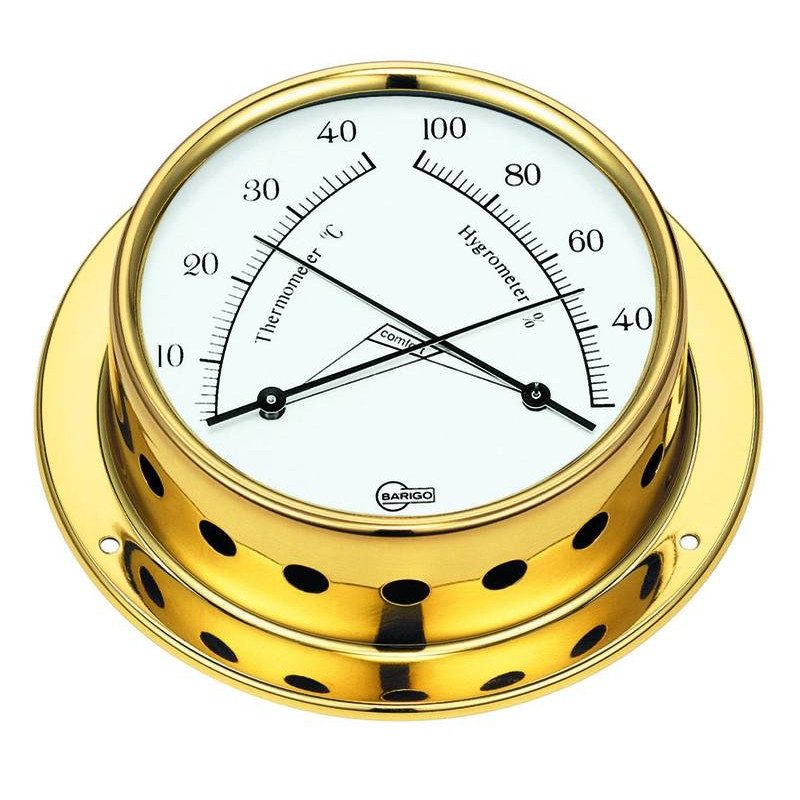
The 85 mm diameter TEMPO hygrometer and thermometer from BARIGO
You want to know the temperature and humidity of your boat? Then this product is for you. It exists in chrome and brass version. It is treated against corrosion.
The characteristics of the 85 mm diameter TEMPO hygrometer and thermometer from BARIGO
- Diameter: 85 mm
- Dimensions: 110 mm x 32 mm
- Weight: 105 g
- Fixing screws supplied
- Chrome and brass version
In the same category
4 other products seleted for you-
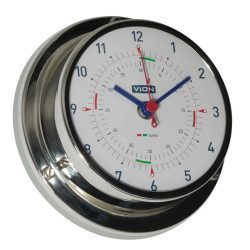
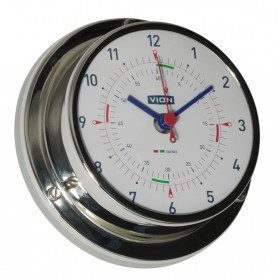
<h2>97 mm diameter marine clock with radio silence indication</h2>
<p>The VION series has a recognisable design. Blue and red hands and pointers are used in all instruments and blue and red prints on the dials. The drop symbol is a recurring feature. Comes with mounting bracket. Operates on one AA LR6 battery.</p>
<h2>Characteristics of the marine clock diameter 97 mm of Vion</h2>
available

-
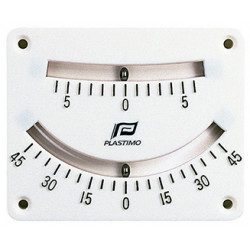
<h2><span>Plastimo Boat Heel Indicator</span></h2>
<p><span>Also known as a gyro, it is an essential tool for the correct adjustment of the boat's trim in the water (</span><span>from dinghy to Class 1). </span><span>Designed for indoor or outdoor use.</span></p>
<h2><span>Characteristics of the heel indicator</span></h2>
available
-
<div class="fiche-txt">
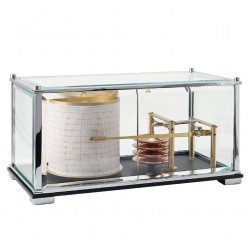
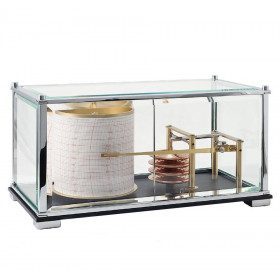
<h2>The Barograph as a high-quality decorative object</h2>
<p>The barometer recorder or Barograph of the company NAUDET is the most successful of the range. 100% of its components are manufactured and assembled in France for a perfect finish and irreproachable quality. Precision of measurement is the trademark of the Naude brand, which is available in several families of needle barometers and barographs.</p>
<h2>Discover the entire collection of classic marine decorations on Picksea.com</h2>
<p>Decorative objects, marine gifts or measuring objects for enthusiasts, find our selection of marine or measuring objects for navigation or weather watch. Picksea selects the Naudet Baromêtres range for the quality of their assemblies and their perfect finishings/</p>
<h2>Characteristics of the Barometer Recorder Naudet 48/2C</h2>
</div>
available
-
<div class="fiche-txt">
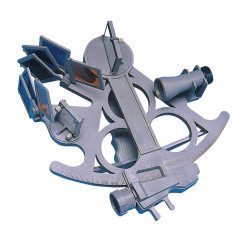
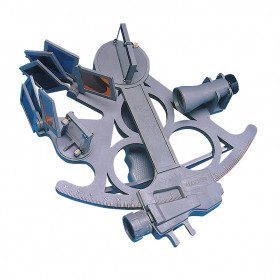
<h2>Davis Mark 25 Sextant</h2>
<p style="text-align:justify;">This sextant is the reproduction of a real professional sextant. It is made of modern plastics, but it remains undeformable, shockproof and corrosion-proof. Light, robust and precise, this sextant is the essential navigation accessory. The Davis Mark 25 allows you to accurately determine all the points necessary for coastal and astronomical navigation.</p>
<h2>Detailed characteristics of the Davis Mark 15 sextant:</h2>
</div>
available



 •
•