

available
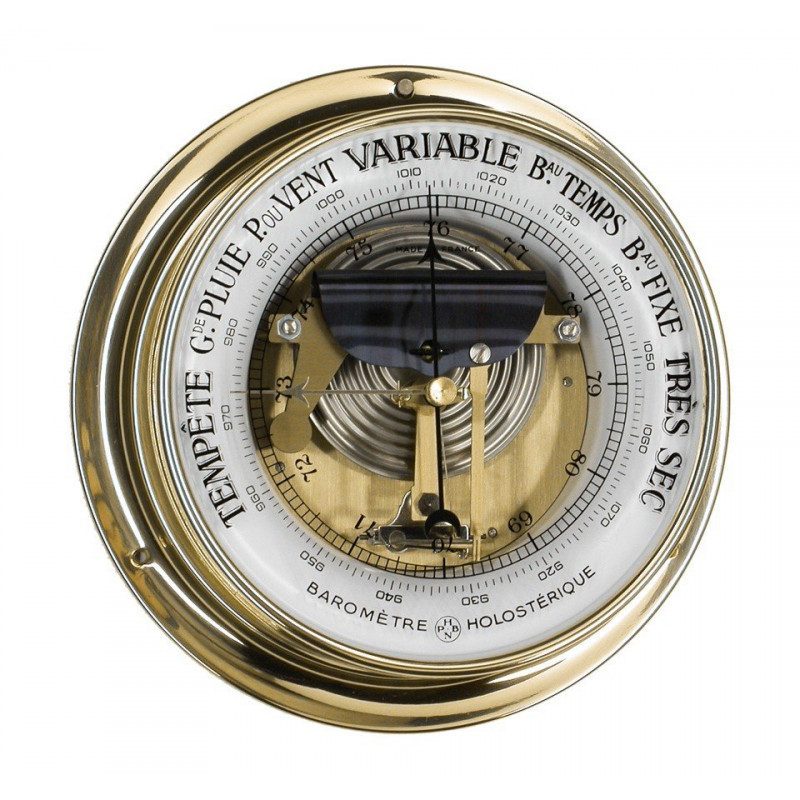


€700.00 Tax included
check_circle
In stock
-
Livraison à domicile : Gratuit
Une question ?
+33 2 97 11 80 95
Detailed features
The NAUDET17 series brass skeleton barometer is ready to be fixed to the wall thanks toits flange. Its dial is 165 mm in diameter. Baked in the oven, it has a colourless varnish. Its adjustment is simple and fast, there is an adjustment screw on the back of the case.
Characteristics of the NAUDET17 series brass skeleton barometer with flange
- Weight: 927g
- Dimensions: 165x205x70 mm
- Colourless varnished and baked
- Dial/Mineral glass, silk-screen printed with index
- Brass fixing screws supplied
- Guaranteed for 2 years
In the same category
4 other products seleted for you-
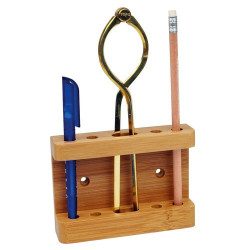
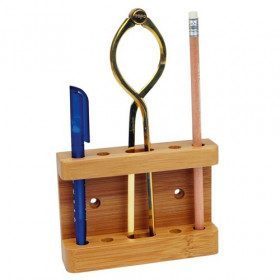
<p>In the category storage accessories, this pencil box will find its place in the chart table area of your boat. Made of Bamboo</p>
available

-
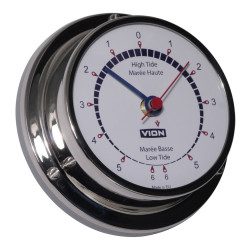
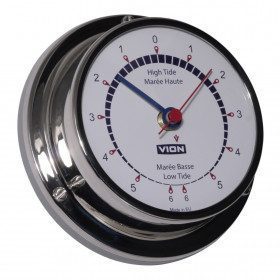
<h2>Tide indicator diameter 97 mm</h2>
<p style="text-align:justify;">The VION series has a recognisable design. Blue and red hands and pointers are used in all instruments and blue and red prints on the dials. The drop symbol is a recurring feature. Supplied with mounting bracket.</p>
<h2>Characteristics of the Vion 97 mm diameter tide indicator</h2>
available
-
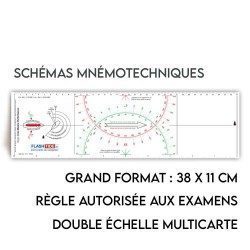
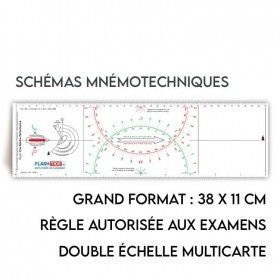
<h2>Polaris Tricolour Ruler</h2>
<p style="text-align:justify;">The three-colour red, green and black cras ruler is very popular with boaters and boat licence applicants because it is more practical and easier to read than traditional cras rulers.</p>
<h2>Features of the Polaris Ruler</h2>
available
-
<div class="fiche-t">
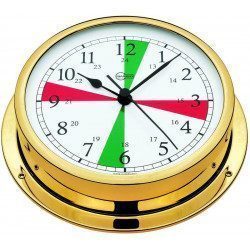
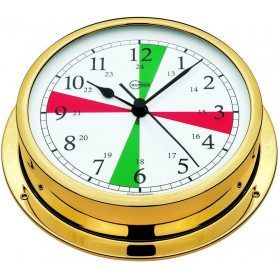
<h2>The VIKING 130 mm silent zone board watch from BARIGO</h2>
<div class="fiche-t">This watch with a 130 mm diameter dial will be perfect to see the time on your boat and to have a good readability of the information. It is available in brass or chrome version. Varnished and treated against corrosion.</div>
<h2>The characteristics of the VIKING 130 mm silent zone board watch from BARIGO</h2>
</div>
available


 •
•